Everyone has the same AI now. So everyone is making the same okay work, only faster. We help creative companies figure out what to do with it. Strategy, new products, and a creative department rebuilt to make work nobody else can.
Fig. 1. The Sea of Sameness. Move through it for a translation.
Who's asking?
The problem
What we do about it
Where to start
Three things you can buy.
A short one, a medium one and a long one. Each ends with something you can use.
45 minutes to half a day
The Talk
An hour that changes what the room argues about.
A keynote or a leadership session, written for your industry and your people. No AI 101. No demo of a chatbot writing a limerick.
You leave with
A shared language for what's happening to you
A team arguing about the work instead of the tools
Some laughing, usually
Six weeks, fixed scope
The Sprint
From "we should do something with AI" to a thing that exists.
We find the ideas worth having, kill the ones that aren't, and build one far enough that people can see it, touch it and have opinions about it.
You leave with
A position: what to do, what never to do, who to do it with
One working prototype or proof of concept
A plan your team can run without us
Ongoing
The Seat
A fractional head of creative AI.
Senior creative judgment in the meetings where the AI decisions get made. Without the hire, the onboarding, or the title inflation.
You get
Someone who can read a reel and a roadmap in the same meeting
Partner and vendor conversations handled
A team coached from operators to orchestrators
And when something needs making, we make it. Films, prototypes, experiences. The team scales to the brief.
The thinking.
Five ideas we keep coming back to. Together, they're how we think about AI and creative work.
Wonder Panic
The feeling of looking at AI and thinking "this is incredible" and "am I obsolete?" in the same breath. Both are correct. Start there.
The Sea of Sameness
When everyone uses the same models to be efficient, the output converges. Brands start to look, sound and feel identical. It's very calm out there. That's the worrying part.
Orchestrator vs. Operator
Operators use the tools. Orchestrators design the system, set the direction and decide when not to use AI at all. One of these jobs has a future.
The Long Echo
Distinctive choices compound. Volkswagen ran "Think Small" in 1959 and we're still talking about it. Nobody A/B tested their way there.
Creative Engine
The creative department was a team of people. The creative engine is a system: human judgment plus machine capability. Same taste. Different org chart.
Try one. Where's your leadership team this week?
The bunkerWonder PanicAsleepTourists
Diagnosis
Why us?
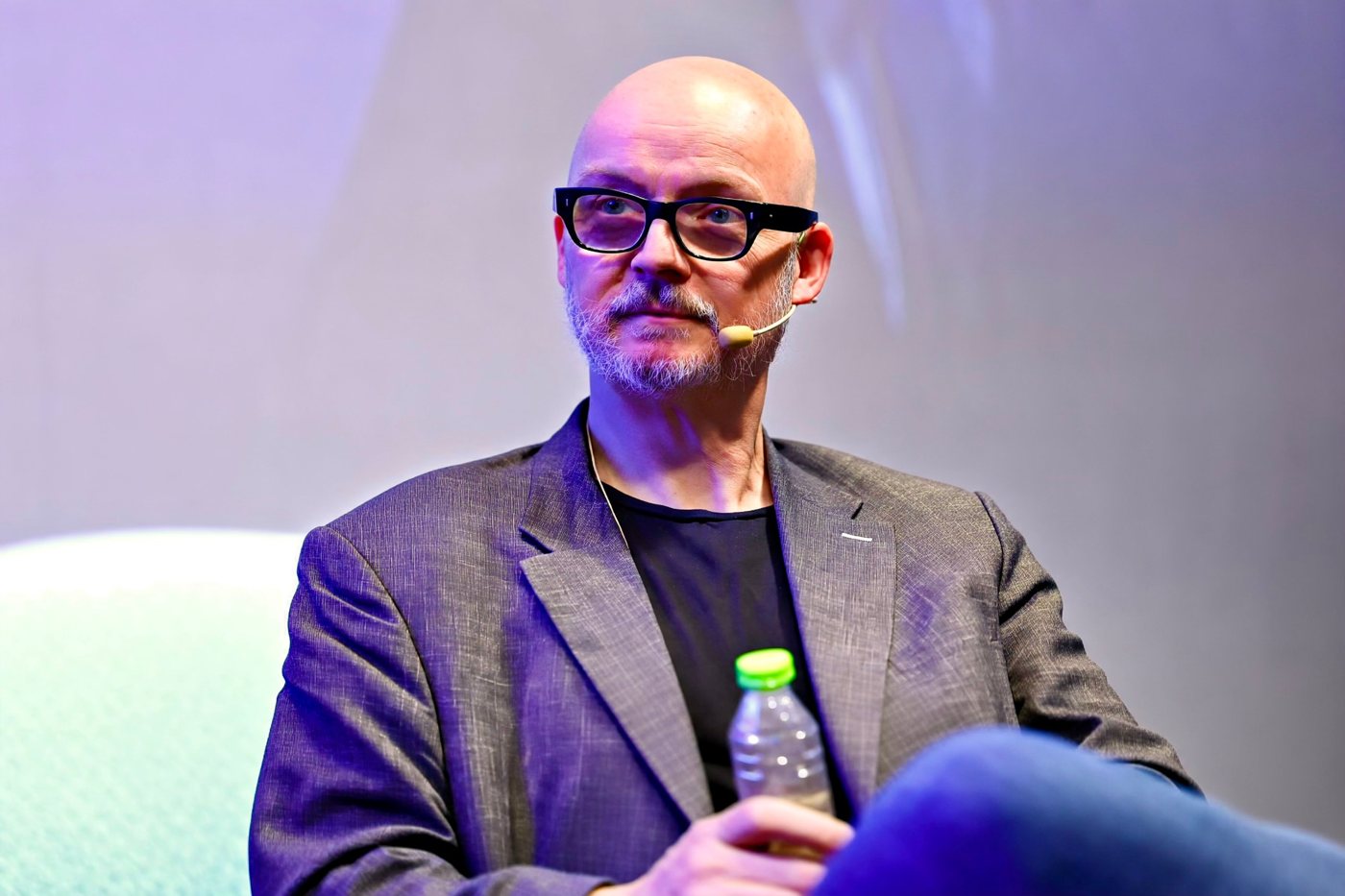
Bastholm Creative Consulting is led by Lars Bastholm. His career as a creative leader runs through AKQA New York, Ogilvy New York as chief creative officer, Cheil US, and Google, where he was global chief creative officer of The Zoo and The Exploratory. Now in Copenhagen.
Clients, over the years
Nike
Coca-Cola
Google
Samsung
Volvo
Louis Vuitton
American Express
IKEA
IBM
Smirnoff
Nestlé
UPS
Danish Broadcasting Corporation
Harry Potter
Three Grand Prix, Cannes Lions Festival of Creativity
If you care about those things. Some people do.
Scandinavian Creative AI Summit
Co-founder and program director. Currently dormant. If you're interested in sponsoring, we'd love to revive it. scaisu.com
Still makes things
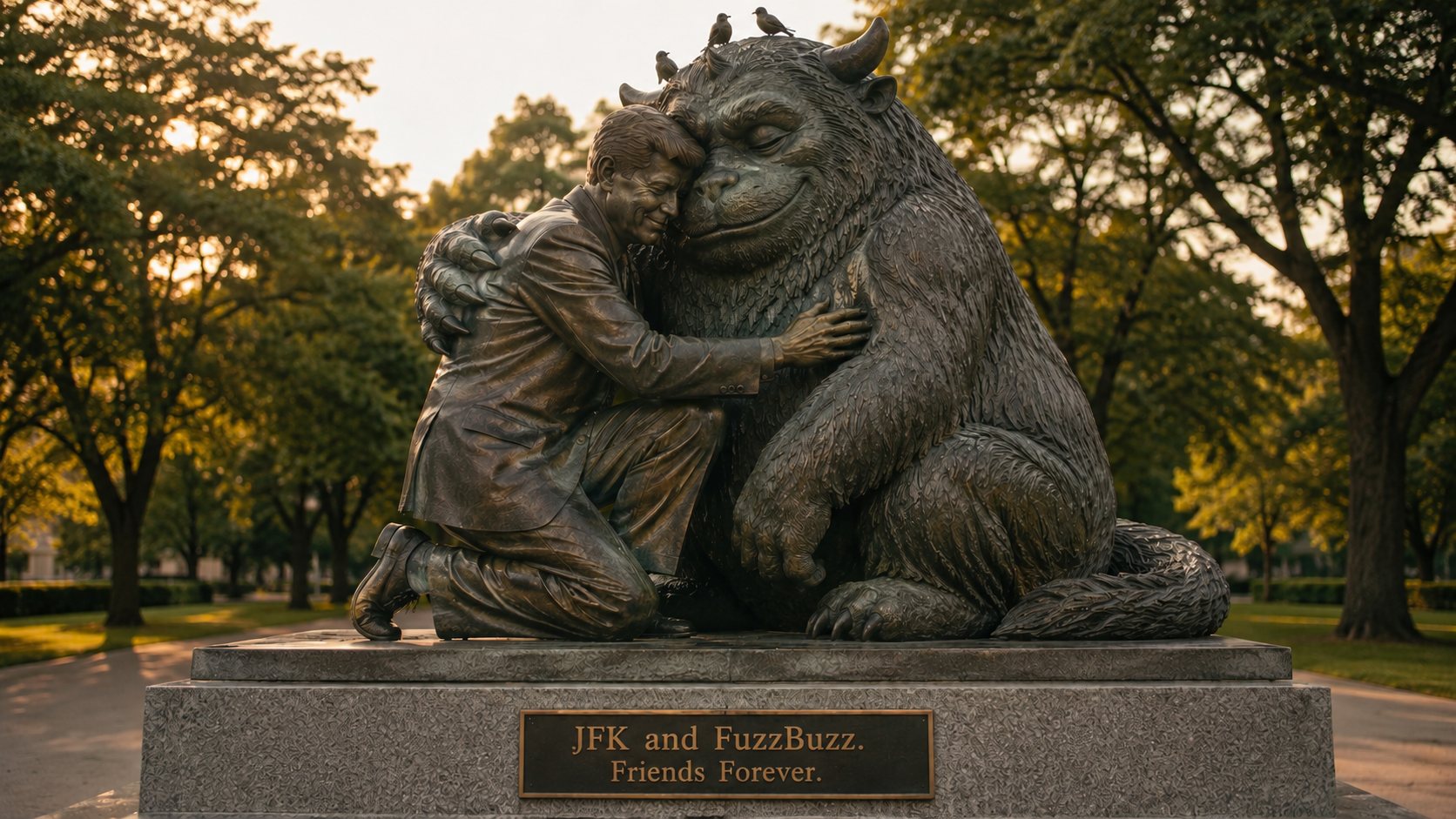
AI films, including Monster Park, a mockumentary about New York's monster-pet tradition, 1789 to 1976. Lars also dabbles in AI art, and intentionally awful Danish pop music. For which he apologizes.
Marvin
A podcast Lars co-hosts. Find it wherever you listen to podcasts. In Danish. But everybody speaks Danish, right?
Not a one-man band
We frequently collaborate with Jordan Berkowitz on strategy and technology. He's in London. Bigger briefs get a team built for the brief.